
Challenge
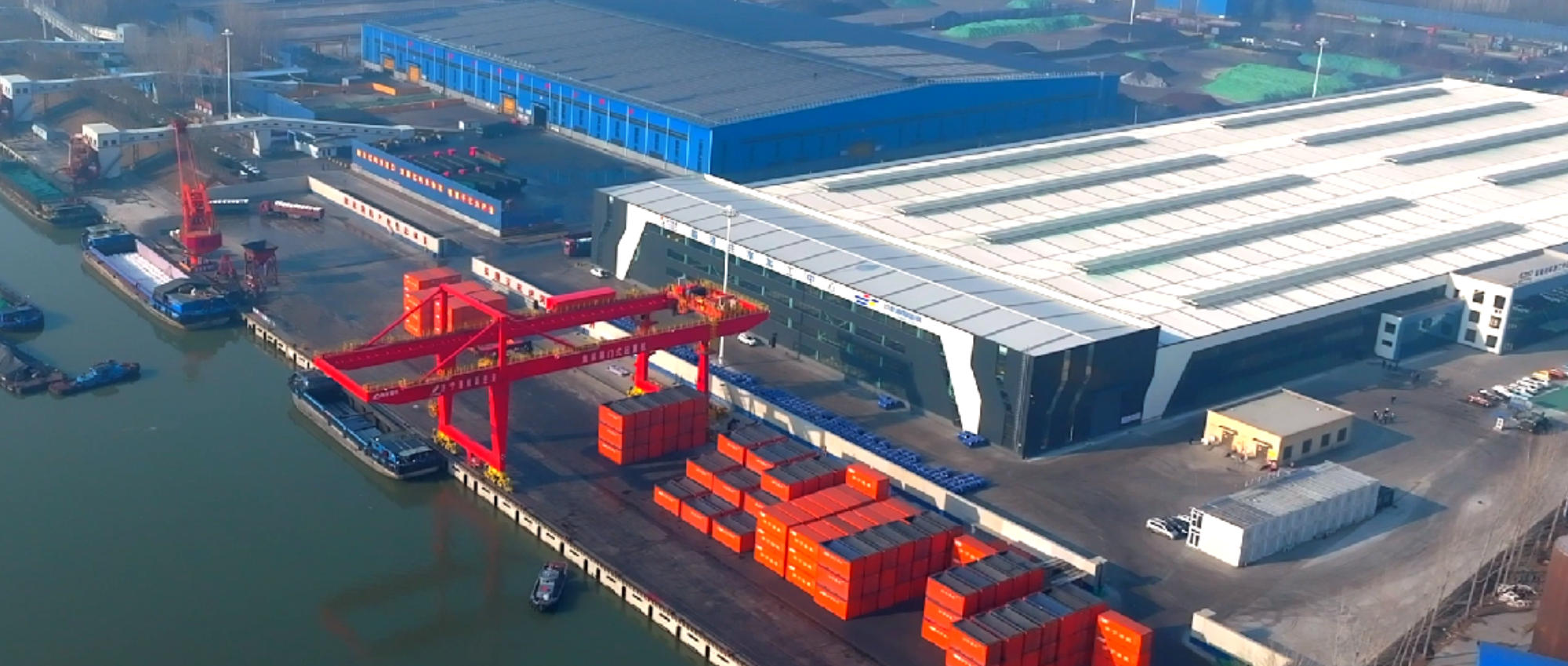
Industry accounts for approximately 65% of China's total energy consumption, and industrial parks face four systemic challenges. First, energy mix dependency: an over-reliance on fossil fuels with limited diversification. Second, poor energy efficiency: inadequate tiered utilization and waste heat recovery result in serious energy losses. Third, absence of integrated management systems: the inability to achieve multi-energy complementarity and coordinated dispatch. Fourth, high capital barriers: individual enterprises face funding gaps for green infrastructure investments with long payback periods, with no sustainable green finance mechanism in place. Left unaddressed, these challenges drive up costs, stall emissions reductions, and impede the industry's transition toward China's dual carbon goals.
Solution
Towngas Energy built its approach around the "zero-carbon smart industrial park" as its core deployment scenario, developing a three-pillar ecosystem.
The first pillar is renewable energy infrastructure: aggressively developing distributed PV systems for energy-intensive industrial clients, with grid-connected capacity reaching 2.3 GW over four years—making the company an industry leader. Building on this foundation, the company integrated battery energy storage systems, EV charging infrastructure, and electricity sales services to create large-scale "solar-storage-charging-trading" integrated smart microgrid systems, alongside combined heat, power, and cooling (CHPC) multi-energy supply solutions.
The second pillar is a coordinated professional service ecosystem: four subsidiaries operate in close alignment—Towngas Green Power delivers green electricity procurement and AI-assisted energy trading; Towngas Carbon Asset provides full-service carbon management; Towngas Construction Energy handles end-to-end project management; and Towngas Energy Technology develops digital management platforms. Together they cover the full value chain from energy supply to carbon asset development.
The third pillar is intelligent microgrid capability: purpose-built product modules—Solar Star, Storage Star, and O&M Star—enable real-time energy consumption monitoring; Grid Star aggregates dispatchable loads for end-to-end energy dispatch; and across regions, dozens of microgrid units are integrated into a virtual power plant (VPP), significantly enhancing overall system efficiency.
Impact & Value
Towngas Energy achieved three landmark breakthroughs.
Green finance innovation: the company issued RMB 515 million in "Zero-Carbon Smart Phase 1 quasi-REITs"—the first quasi-REITs by a Hong Kong-funded enterprise in Chinese mainland and the market's first commercial and industrial solar-plus-storage quasi-REITs, which attracted 2.5× oversubscription and created a virtuous "raise–invest–build–manage–exit" cycle.
Joint-venture model innovation: by co-establishing equity platforms with local governments (such as the Jining joint venture), the company lowered the investment threshold and replicated this model across multiple provinces nationwide.
Platform innovation: through its "TeraStar" (Carbon Nebula) intelligent energy management platform, the company developed the "Eight-Star Constellation" integrated product suite, leveraging AI to dramatically enhance management efficiency.
Economic impact: the company helps clients save 20–30% on energy costs, with annual electricity bill savings reaching approximately RMB 600 million and asset returns improving by 5%.
Environmental results: the platform supplies 1.83 TWh of green electricity annually, reducing carbon emissions by approximately 1.5 million tons per year. By 2030, the target of managing 12 GW of assets is projected to deliver 8.27 million tons of annual carbon reductions.
The model has now been deployed across 128 industrial parks in 28 provinces nationwide, including nationally designated demonstration parks in Jining and Taizhou. The initiative has received dedicated feature coverage on CCTV's News Broadcast and Focus Report programs, and Fortune magazine has recognized it as a "new solution" to China's dual carbon challenge.